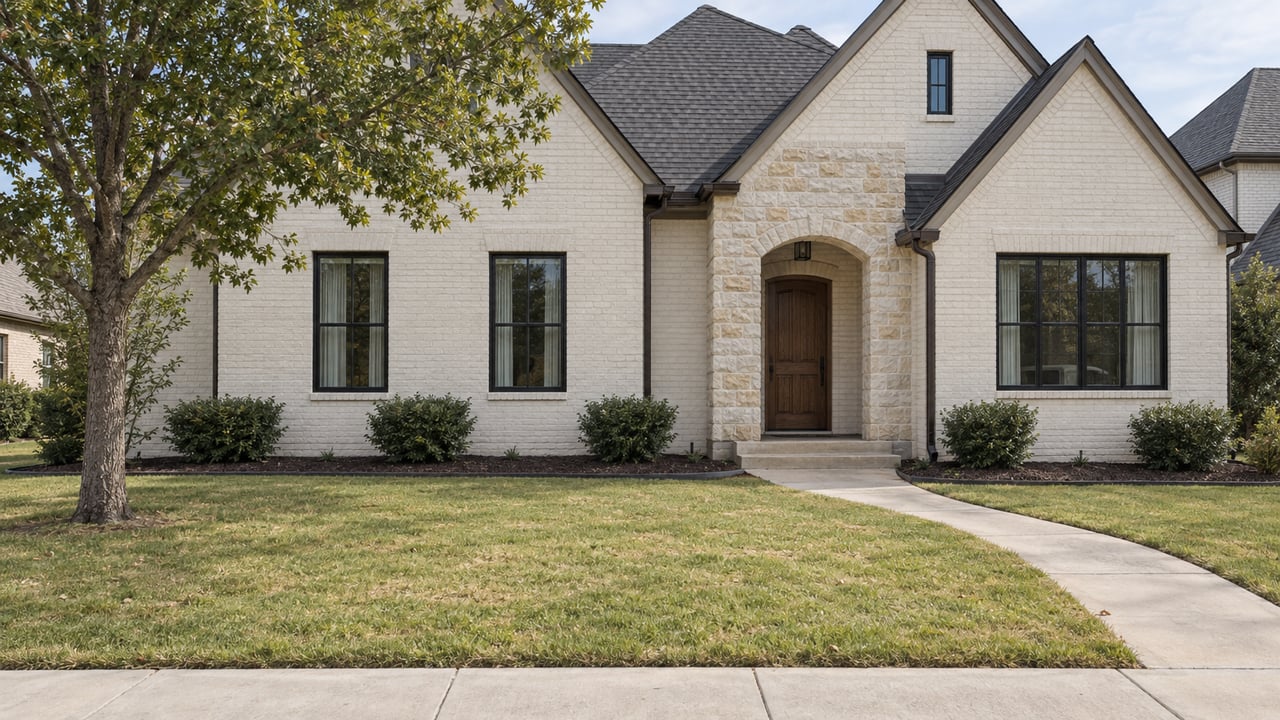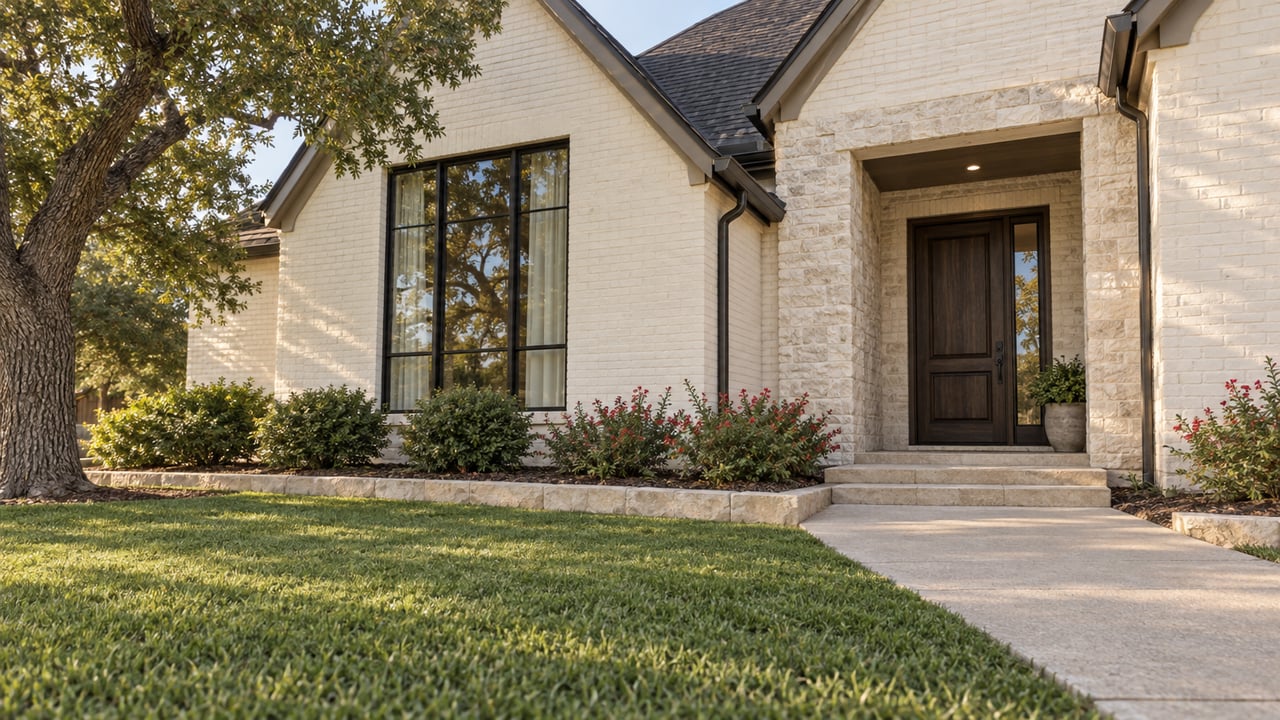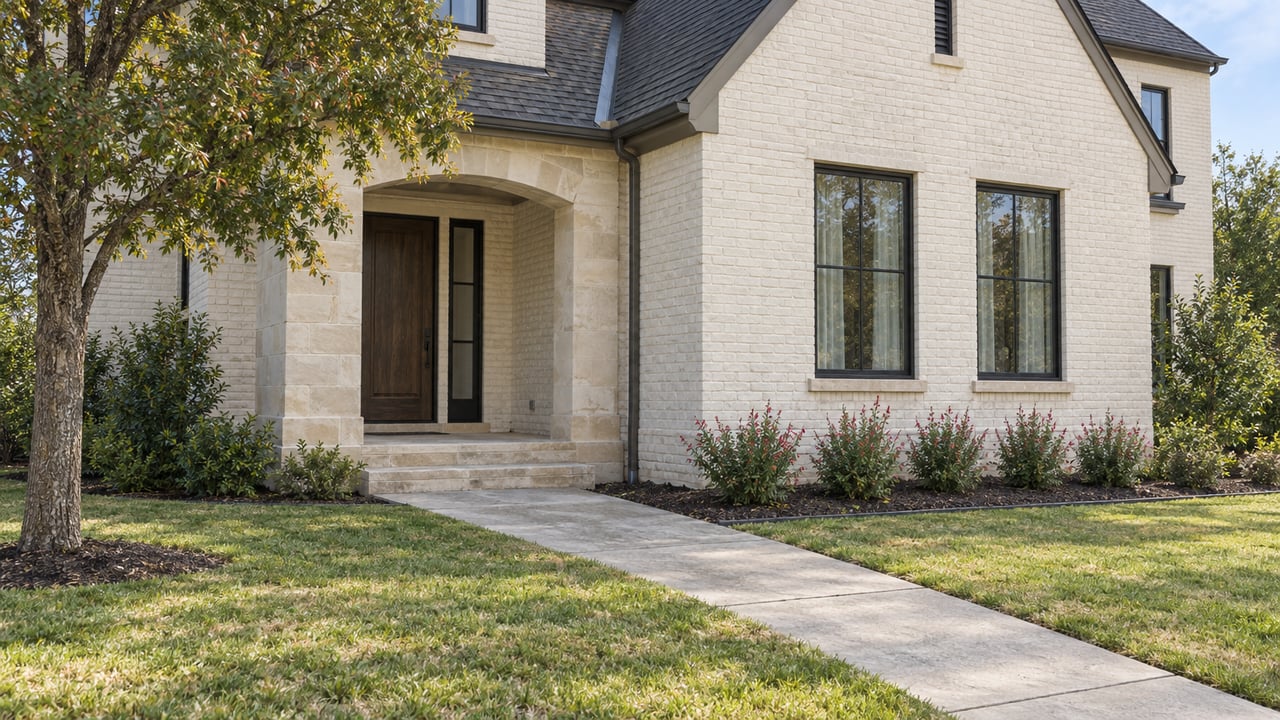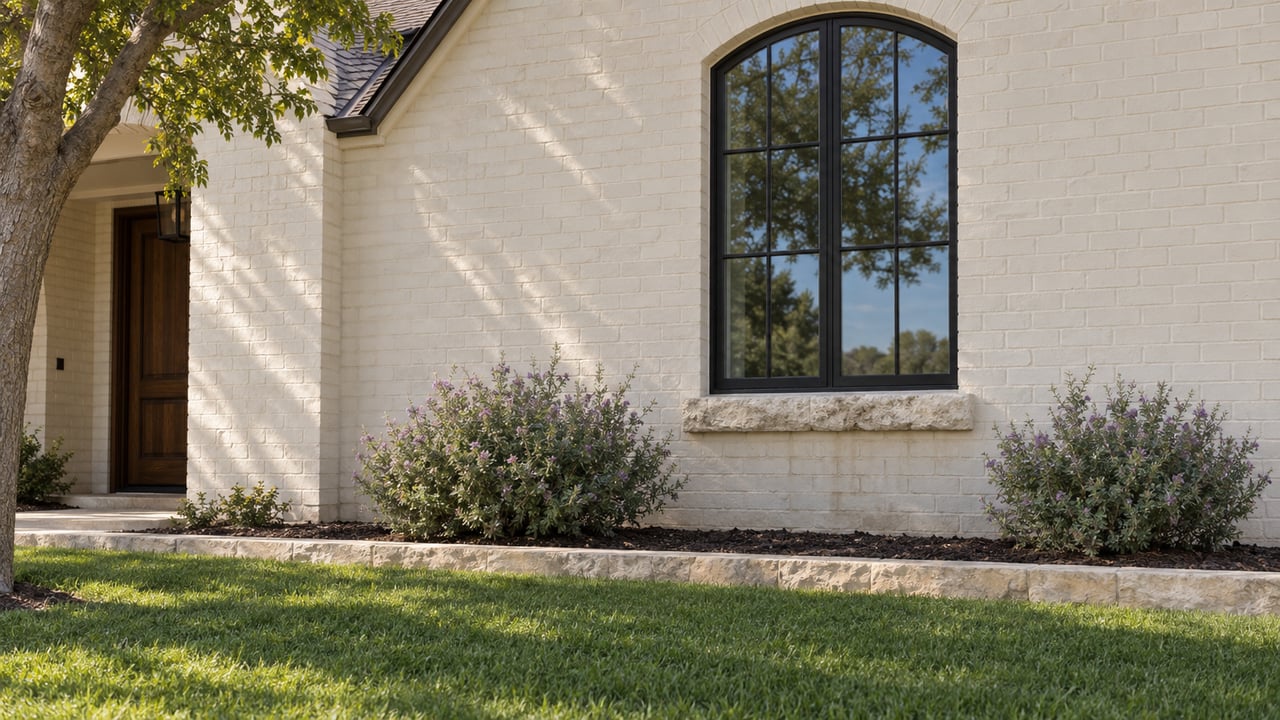
As WFAA reported, Heath Mayor Kelson Elam said, "I'm afraid that the original story on this was that we're gonna stop all development and we're all gonna die," after the city council voted to pause new residential and commercial permits. That was November 2023, and the vote followed a summer in which Heath's water demand had pushed past its six-million-gallon daily limit from the City of Rockwall twenty-two times in two years. For a city of roughly ten to eleven thousand people on the eastern shore of Lake Ray Hubbard, that is not a rounding error. It is a system running out of room.
If you are comparing Heath to Rockwall, Rowlett, or another Lake Ray Hubbard suburb right now, you have probably already seen the headline version of this story: Heath faced water constraints and paused new approvals. What actually happened is more interesting, and it tells you something the median price on a portal listing never will.
What actually triggered the freeze
The moratorium the council approved ran from November 14, 2023 through March 13, 2024, a roughly 120-day window the city used to write a new landscaping and irrigation ordinance before any new plats could move forward. The city's own account frames it plainly: this was a pause to prevent a shortage of an essential public facility, meaning water service, while Heath figured out how to slow the irrigation demand that was driving those repeated spikes.
The mechanism was straightforward. Heath's baseline daily use sits around 1.5 million gallons. Once residents and businesses start watering lawns and landscaping through a North Texas summer, that number climbs past six million, and the city had nowhere else to pull from. The moratorium was never really about stopping houses from being built. It was about buying four months to write rules that would keep new subdivisions from making the same problem worse.
How vested projects shaped the moratorium's effects
Here is the part that changes how you should read Heath's inventory today. Texas Local Government Code Chapter 245 prohibits cities from withholding permits on any project that has already been submitted, a status the state calls "vested." Heath's moratorium, by law, could not touch anything already in that pipeline.
According to reporting at the time, 861 homes already platted or under construction were exempt, representing about eight years' worth of permits at Heath's normal pace. By the following July, the city manager's own message to residents put the vested number at 900 lots, describing it as a nine-year supply given a growth rate running around 3 percent annually, or roughly 100 to 125 new homes a year. Many of those lots had been locked in before Heath adopted its 2018 Comprehensive Plan. The 2023 moratorium did not affect those lots.
So while the public conversation in late 2023 sounded like a supply shock, the actual construction calendar barely moved. The homes that were going to get built in 2024, 2025, and well into the 2030s were already exempt before the council ever voted.
What the price and sales data show since
If Heath's housing supply had genuinely tightened the way the moratorium headlines suggested, you would expect prices to climb and inventory to shrink. That is not what happened.
As of July 2026, Heath's average home value stood at $715,469, down 0.9 percent over the prior year, with homes going to pending in around 61 days. Over that same month, 434 homes sold in Heath, up from 305 a year earlier, with a median list price near $748,500 and homes sitting a median of 143 days on the market. Separately, property tax data puts Heath's citywide median home price at $835,248, with the 75032 zip code running higher still at $881,374.
Read together, that is a market where sales volume is rising, prices are flat to slightly down, and homes are taking longer to move. That is the signature of a vested pipeline delivering supply, not a scarcity squeeze. The 861 to 900 grandfathered lots did not sit frozen. They kept converting into finished homes, which is a meaningful part of why Heath has not seen the kind of price spike a genuine building freeze would produce.
For comparison, Rockwall's median owner-reported home value runs closer to $411,700 by Census estimate, against Heath's roughly $766,900. That gap was already there before the moratorium and has nothing to do with it. It reflects Heath's mix of custom homes, golf course lots, and waterfront product against Rockwall's broader range from entry-level to move-up. The moratorium did not create Heath's premium. It is simply not the reason that premium persists.
The infrastructure math behind the calm
The other half of this story is that Heath has spent the two years since the moratorium actually building its way out of the constraint, not just waiting it out.
The city's available daily supply moved from roughly 6 million gallons in 2024 to about 7 million as of the city's August 2026 update, with a contracted path to 9 million gallons per day by 2032 through its existing providers. On October 28, 2025, Heath City Council authorized a design contract with the engineering firm Kimley-Horn, not to exceed $796,500, to design three new municipal wells, Wells 2 through 4, as part of what the city calls its Water Bridge Plan. Well 1, drilled at Towne Center Park, reached water in March. Storage capacity is set to roughly double, from about 5 million gallons currently to 9.5 million by 2027, split between a new elevated tank at Heath Golf & Yacht Club and a ground storage tank at the city's pump station.
The practical result: Heath has not triggered Stage 2 water restrictions, which would cut residential irrigation to once a week, since the summer of 2024. The city is still on a twice-weekly conservation schedule, but it has held that line through two more North Texas summers while adding wells and storage in parallel.
What this means if you are shopping Heath against its neighbors
The homes available in Heath right now are largely built on lots that predate the city's 2018 density cap. That grandfathered inventory is finite. Once those roughly 900 vested lots are built out, new subdivisions in Heath will fall under the city's density standard. If you are looking at Heath specifically because of its price-per-square-foot relative to Rockwall or Rowlett, that comparison is currently being shaped by a legacy supply that will not repeat itself once it runs out.
None of this means Heath is short on water today. It means the city chose to solve a real constraint with wells, storage, and a renegotiated contract with Rockwall rather than with a permanent cap on growth, and that the moratorium paused new approvals while already-vested projects continued moving forward.
A few questions worth asking directly
Is Heath's building moratorium still in effect? No. It expired March 13, 2024, once the city adopted its new landscaping and irrigation ordinance. New plats submitted since then fall under that ordinance.
Could Heath enact another moratorium? The city has avoided Stage 2 restrictions since 2024 and is actively adding wells and storage through 2027, which lowers the odds of a repeat in the near term. If one were enacted, Chapter 245 vesting would again protect anything already submitted, which is worth knowing if you are under contract on new construction and want to understand what would and would not be affected.
Does any of this matter for VA loan timelines specifically? Not directly. A moratorium affects new plat approvals, not the appraisal or closing timeline on an existing or already-permitted home. For anyone relocating on a PCS timeline and looking at new construction in Heath, the more relevant question is simply whether the specific lot you are considering was part of the pre-2018 vested pool or a newer, lower-density phase, since that affects both price and what the finished neighborhood will eventually look like.
If you are trying to figure out which Lake Ray Hubbard suburb actually fits your timeline and budget, that kind of distinction matters more than a median price pulled from a portal. Quentin Crayton works these Rockwall County comparisons directly with relocating and move-up buyers, including how a lot's permit history affects what you're actually buying. Let's Connect if you want to walk through what's vested, what's next, and what that means for your offer.
This article is general information, not legal, tax or financial advice. Consult a qualified professional about your situation.