If you are thinking about buying in Waxahachie, one of the biggest decisions is not just which house to choose, but which version of the city fits your life. Some homes place you near historic streets, Victorian architecture, and the character that earned Waxahachie the nickname Gingerbread City. Others sit in newer growth areas where neighborhood layouts feel more suburban and day-to-day routines often center on driving. This guide will help you understand the trade-offs so you can buy with more clarity and less stress. Let’s dive in.
Waxahachie offers two distinct homebuying paths
Waxahachie has grown quickly in recent years, with the population rising from 41,140 in 2020 to 48,617 in 2024 and 50,090 in 2025. That growth helps explain why buyers today can find both older homes near the historic core and newer construction in outward-expanding parts of the city.
The result is a market with two very different experiences. You are not simply comparing older finishes versus newer finishes. You are choosing between two lifestyles shaped by Waxahachie’s history, development pattern, and pace of growth.
Historic Waxahachie homes
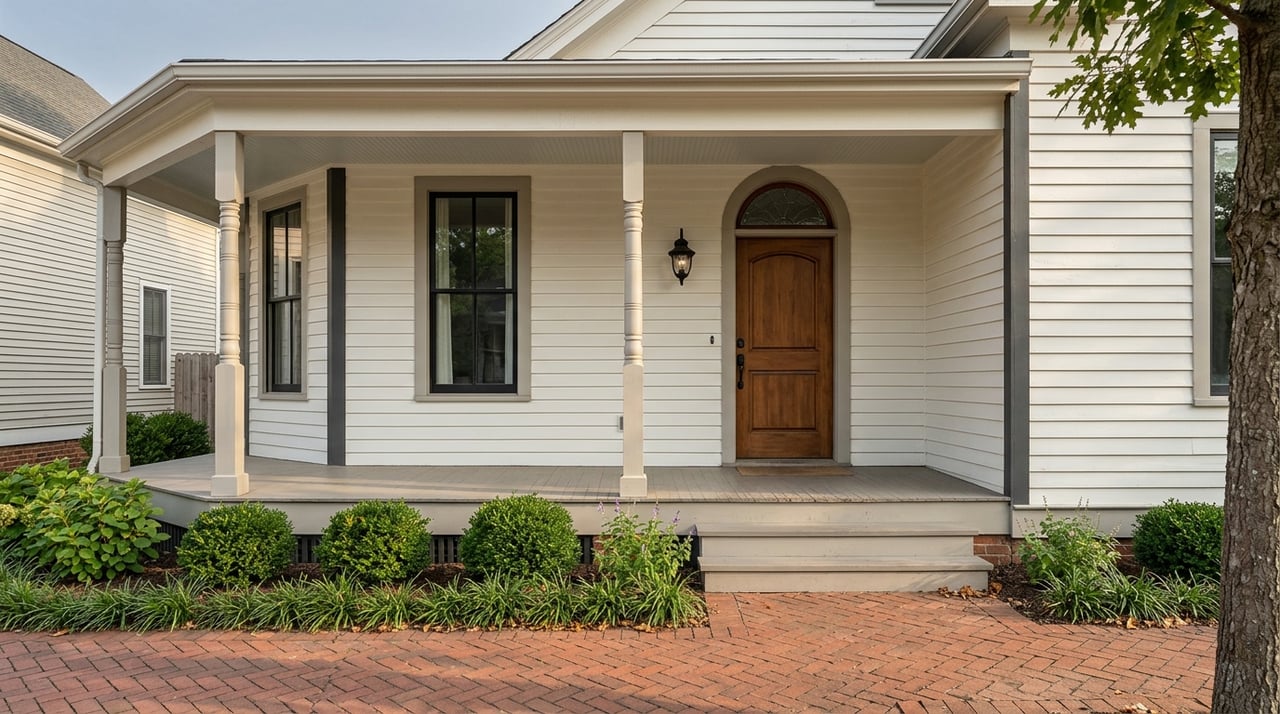
Historic homes are part of what makes Waxahachie stand out in the DFW area. The city is known for Victorian-style houses with gingerbread carpentry, along with Queen Anne, Classic Renaissance, and Roman Doric revival examples.
That identity is not limited to one small pocket. City historic mapping identifies several historic areas, including the Downtown District, Oldham Avenue Historic District, Ellis County Courthouse Historic District, North Rogers Street Historic District, West End Historic District, Wyatt Street Shotgun Houses Historic District, and West Marvin Avenue-Patrick Street Historic District.
Downtown and Oldham Avenue character
If you want the strongest connection to historic Waxahachie, downtown and the Oldham Avenue area are key places to understand. Oldham Avenue is known for a high concentration of large Victorian residences and a collection of late-19th- and early-20th-century architectural styles.
Near downtown, the appeal often goes beyond the home itself. You may be drawn to the courthouse square setting, older street patterns, and the city’s preservation-minded identity. Waxahachie’s historic fabric includes roughly 300 structures listed on the National Register of Historic Places, which reinforces how deeply history shapes the feel of the area.
What to expect with upkeep
Historic homes can offer beauty and personality that newer homes often cannot match. At the same time, you should go in with realistic expectations about maintenance, repairs, and project planning.
The city notes that projects in Downtown Waxahachie’s Historic Overlay District must be reviewed by the Heritage Preservation Commission. City materials also list mechanical, plumbing, electrical, structural, and interior or exterior repairs among eligible renovation categories tied to historic tax exemption programs. For buyers, that is a practical reminder that older homes may need attention behind the walls as well as on visible finishes.
Why buyers choose historic homes
Historic-home buyers are often looking for more than square footage. They want architectural detail, a sense of place, and a home that feels tied to the city’s identity.
If that sounds like you, a historic property may be the right fit when you are comfortable balancing charm with upkeep. The reward can be a more distinctive living experience in one of the most recognizable parts of Waxahachie.
Newer Waxahachie homes
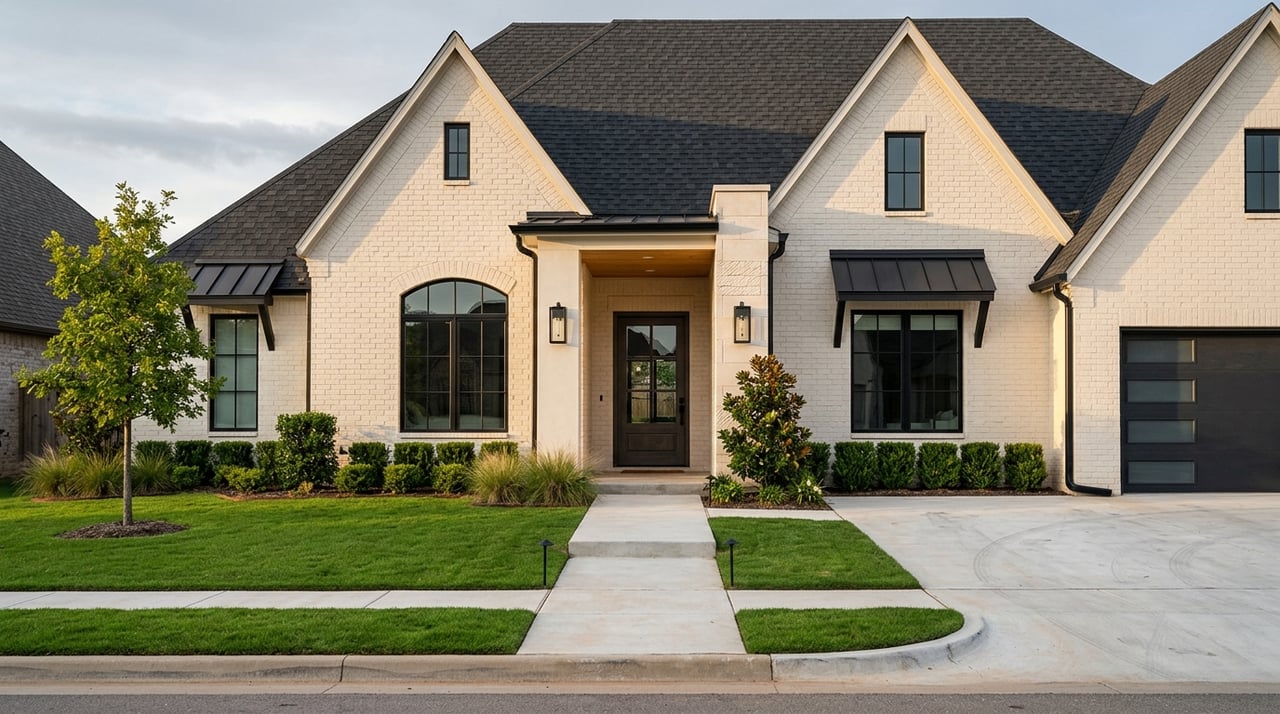
If predictability and newer layouts matter most, newer homes may feel like a better fit. Waxahachie’s planning documents note that most recent residential growth has occurred in greenfield areas in the southern and northeastern parts of the city.
These areas reflect a more recent pattern of development. Instead of 19th-century blocks and preservation-focused surroundings, you are more likely to find suburban layouts shaped by newer expansion.
Southern and northeastern growth areas
The city’s development pattern has changed sharply over time. Waxahachie grew from about 4,600 acres in 1950 to 32,500 acres in 2020, which helps explain why many newer neighborhoods feel different from the historic core.
In these newer sections, the layout tends to be more auto-centric and suburban. That means your daily routine may feel more straightforward if you prefer driving access and a more standardized neighborhood setup.
Practical convenience and daily routine
Transportation is part of the trade-off. Waxahachie sits on I-35E and US 287, and TxDOT project materials describe widened and continuous frontage roads, one-way operations, sidewalks, and pedestrian bridges along US 287 east and west of I-35E.
For many buyers, that supports the appeal of newer neighborhoods. You may find it easier to prioritize commute patterns, driving convenience, and newer subdivision design. In exchange, you will often be farther from the courthouse square and the historic heart of the city.
Why buyers choose newer homes
Newer homes often appeal to buyers who want a more familiar suburban environment. You may prefer a home that feels move-in ready, follows a more recent floor plan, and comes with fewer preservation-related considerations.
This can be especially helpful if you are relocating, buying on a tight timeline, or comparing Waxahachie with other fast-growing DFW suburbs. A newer home can offer a more straightforward path if ease and consistency rank high on your list.
Historic vs. new in Waxahachie
When you compare historic and newer homes in Waxahachie, the differences go beyond age. They shape how you live, what kind of upkeep you may face, and how connected you feel to the city’s past or present growth.
| Factor | Historic homes | Newer homes |
|---|---|---|
| Setting | Near downtown and established historic districts | Mostly in southern and northeastern growth areas |
| Style | Victorian and other period architecture | More suburban and recently built layouts |
| Maintenance | May involve system updates and preservation review | Often offers more predictability |
| Daily routine | Closer to the square and historic core | More car-dependent in many areas |
| Buyer appeal | Character, architecture, and sense of place | Convenience, consistency, and newer design |
The right choice depends on what matters most to you. If you value uniqueness and historic setting, an older home may be worth the extra planning. If you want a more standardized buying experience, a newer home may line up better with your goals.
Questions to ask before you buy
Before you make an offer, it helps to narrow your priorities. A clear plan can save you time and reduce second-guessing once you start touring homes.
Ask yourself:
- Do you want architectural character or a newer layout?
- Are you comfortable with possible updates to older systems?
- Would you rather live closer to downtown or in a more suburban setting?
- How important is driving convenience in your daily routine?
- Do you want a home with preservation considerations, or would you prefer fewer review requirements?
These questions matter because both options can be strong choices. The best fit depends on how you want your home and your routine to feel.
How to shop strategically in Waxahachie
Waxahachie rewards buyers who look beyond listing photos. A beautiful historic exterior may come with more planning around repairs or future projects, while a newer home may offer convenience but a very different neighborhood feel.
As you tour, pay attention to both the property and the setting. In older areas, notice the block, access to downtown, and the overall historic context. In newer areas, focus on commute flow, driving routes, and whether the suburban layout fits your day-to-day needs.
If you are buying from out of town or relocating within DFW, this kind of comparison becomes even more important. Having a clear process can help you weigh charm, upkeep, and convenience without feeling overwhelmed.
Waxahachie stands out because it offers both preserved history and active growth. That gives you real choice, but it also means your decision should be about lifestyle fit, not just price point or home age alone.
If you want help comparing historic charm with newer construction in Waxahachie, Quentin Lewis Crayton offers clear, steady guidance for buyers across the DFW Metroplex, including relocating and first-time buyers who want a confident plan.
FAQs
What makes historic homes in Waxahachie different from newer homes?
- Historic homes in Waxahachie are often closer to downtown and known for architectural character, while newer homes are typically in southern and northeastern growth areas with a more suburban layout.
What should homebuyers know about downtown Waxahachie historic districts?
- Downtown Waxahachie is a Historic Overlay District, and projects there must be reviewed by the Heritage Preservation Commission.
What types of repairs are common concerns in older Waxahachie homes?
- City materials point to mechanical, plumbing, electrical, structural, and interior or exterior repairs as common renovation categories tied to historic properties.
Where are newer homes generally located in Waxahachie?
- Newer residential growth has mainly occurred in greenfield areas in the southern and northeastern parts of the city.
Is Waxahachie a good fit for buyers who want historic character?
- Waxahachie is well known for its historic identity, including Victorian-style homes, multiple historic districts, and a strong preservation presence tied to its Gingerbread City reputation.
Is Waxahachie a good fit for buyers who want suburban convenience?
- Waxahachie can also fit buyers who want newer suburban-style neighborhoods, especially in areas shaped by recent outward growth and driving access near major routes like I-35E and US 287.