Wondering what day-to-day life in Plano actually feels like? If you are weighing a move to North Texas, Plano often stands out because it blends established suburban living with pockets of walkable, mixed-use energy. From housing styles and commute options to parks, shopping, and overall pace of life, this guide will help you picture what living in Plano, Texas is really like. Let’s dive in.
Plano at a glance
Plano is a large, established city in the north DFW area, not a small suburb on the edge of everything. The U.S. Census Bureau estimates Plano had 293,286 residents as of July 1, 2024, spread across 71.69 square miles. That gives it a population density of about 3,982.5 people per square mile, which means you get a true city feel in some areas while still having plenty of traditional neighborhood settings.
Plano also offers a strong economic profile. Census data shows a median household income of $108,649, a median owner-occupied home value of $440,600, a median gross rent of $1,792, and an owner-occupied housing rate of 56.6%. For many buyers and renters, that points to a city with both established demand and a wide range of housing decisions to make.
The city is also notably diverse. Census figures show 28.7% of residents are foreign-born, 22.6% identify as Asian, and 16.2% identify as Hispanic or Latino. In everyday life, that often translates into a broader mix of restaurants, shopping options, and community experiences across the city.
Plano feels suburban and connected
One of the biggest reasons people consider Plano is that it manages to feel suburban without feeling isolated. Much of the city is made up of single-family neighborhoods, local parks, trails, and everyday retail. At the same time, parts of Plano offer a denser, more urban experience that is harder to find in many traditional suburbs.
You can see that contrast clearly in different parts of the city. West Plano is known for polished, master-planned mixed-use districts, while downtown Plano offers a more historic and small-scale setting with brick streets, restored homes, boutiques, and arts venues. That mix gives you more than one version of Plano depending on what kind of lifestyle you want.
For many people, that flexibility is the appeal. You can live in a more traditional residential setting and still spend your weekends in walkable district cores. Or you can choose a home closer to the city’s more active retail and dining hubs if you want more energy built into your routine.
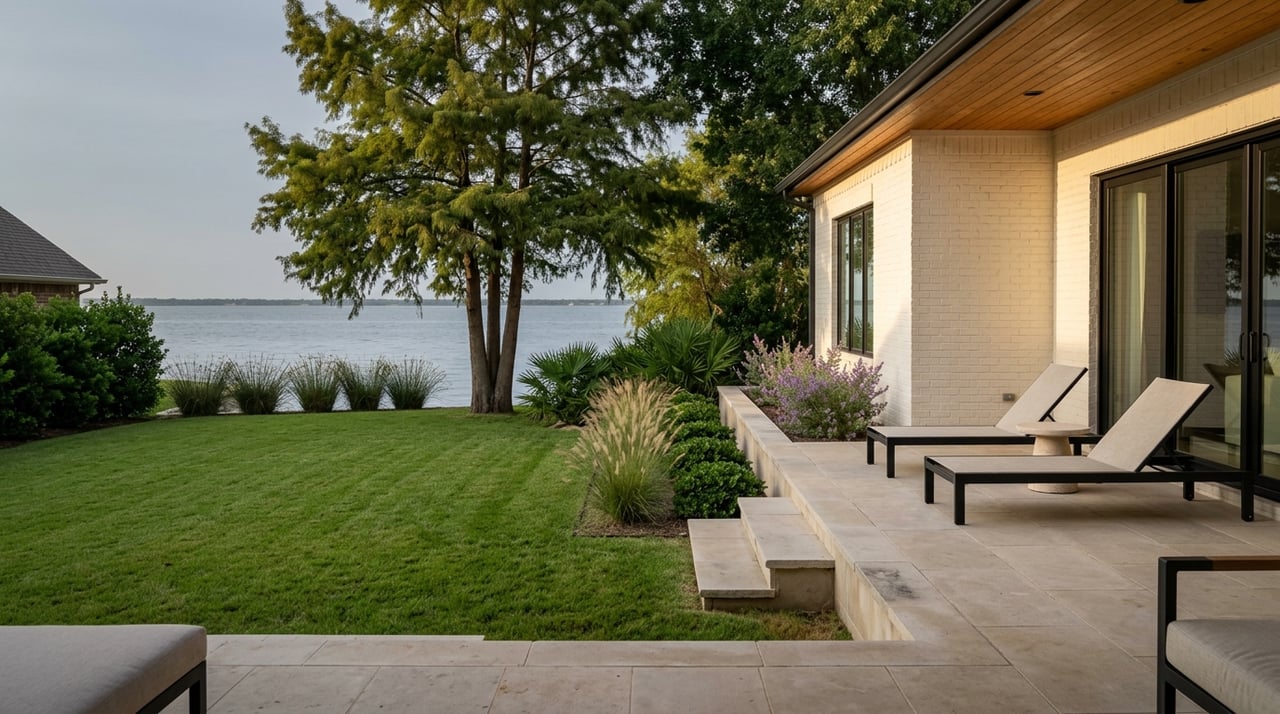
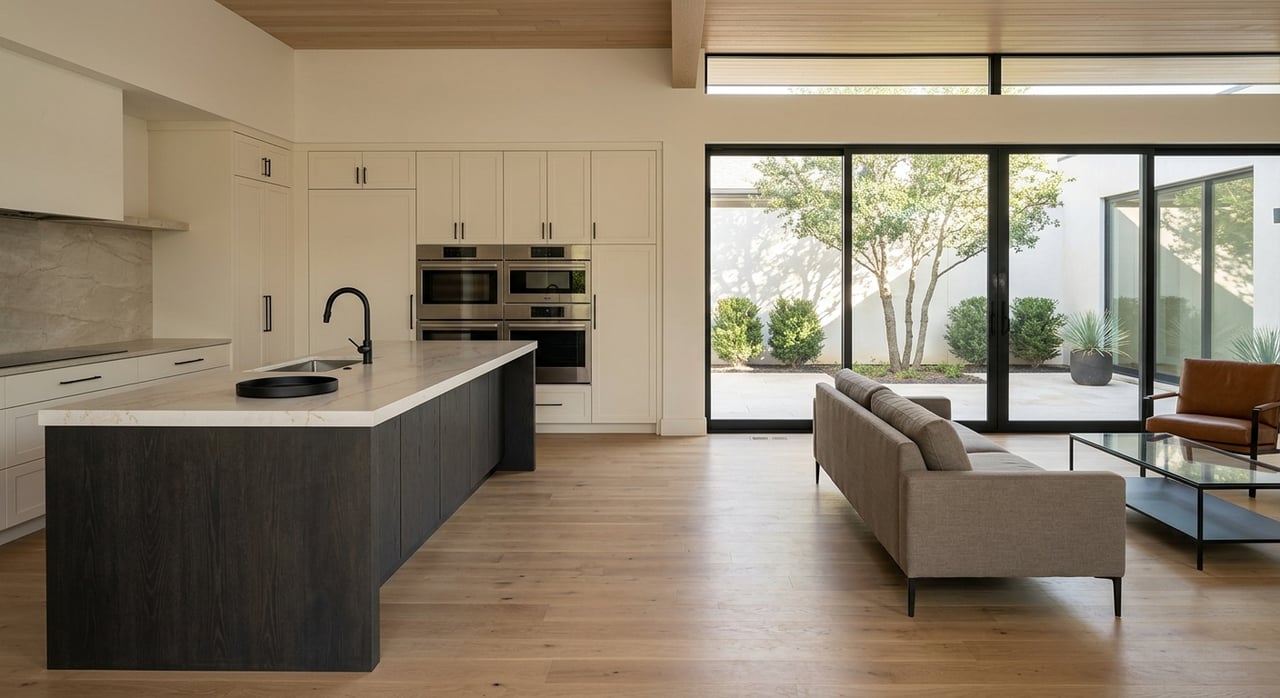
Housing in Plano offers variety
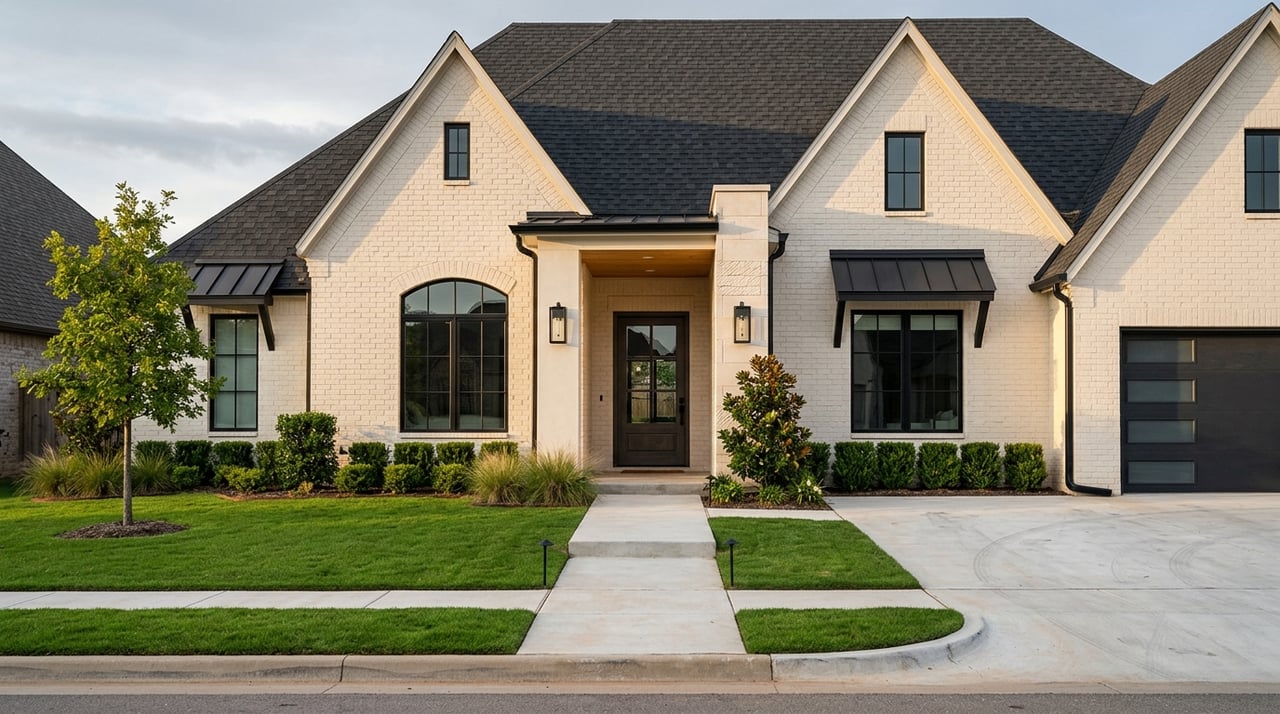
If you assume Plano is only newer homes and polished master-planned communities, the full picture is a little more layered. The City of Plano highlights both single-family and multi-family housing, along with programs like its Great Update Rebate, Housing Rehabilitation Program, and first-time homebuyer education classes. That tells you Plano includes older housing stock along with newer options, and the city is actively thinking about long-term housing quality.
For buyers, that means you may find different paths depending on your goals. Some homes may offer updated finishes and newer layouts, while others may have renovation potential in more established areas. If you are comparing neighborhoods, it helps to think beyond the age of the home and focus on commute, lot size, surrounding amenities, and overall fit for your lifestyle.
For renters, the city’s housing mix also matters. Plano’s 2023 housing study was designed to identify gaps in both rental and for-sale housing, which reflects a market trying to plan for different household needs. Whether you are renting first or buying right away, you will want to look closely at budget, location, and access to the parts of Plano you expect to use most.
Lifestyle districts shape daily life
Plano’s dining, shopping, and entertainment options are not spread evenly across every block. Instead, they tend to cluster in a few well-known districts that shape how residents spend their free time. That gives the city a practical rhythm: suburban neighborhoods for home life, then destination-style districts for dining, errands, and entertainment.
Legacy West and Shops at Legacy
Legacy West is a 255-acre mixed-use district with open-air retail, restaurants, and major office presence. The area also includes employers such as Toyota Connected North America, Liberty Mutual, Boeing Global Services, and JPMorgan. Nearby, The Shops at Legacy adds another 168-acre master-planned district with homes, businesses, shops, restaurants, a hotel, and open spaces.
If you live near this part of Plano, everyday life can feel more connected and active. You may have easier access to dining, retail, and office destinations without needing to drive across the city for everything. It is one of the strongest examples of Plano’s more modern, mixed-use side.
Downtown Plano Arts District
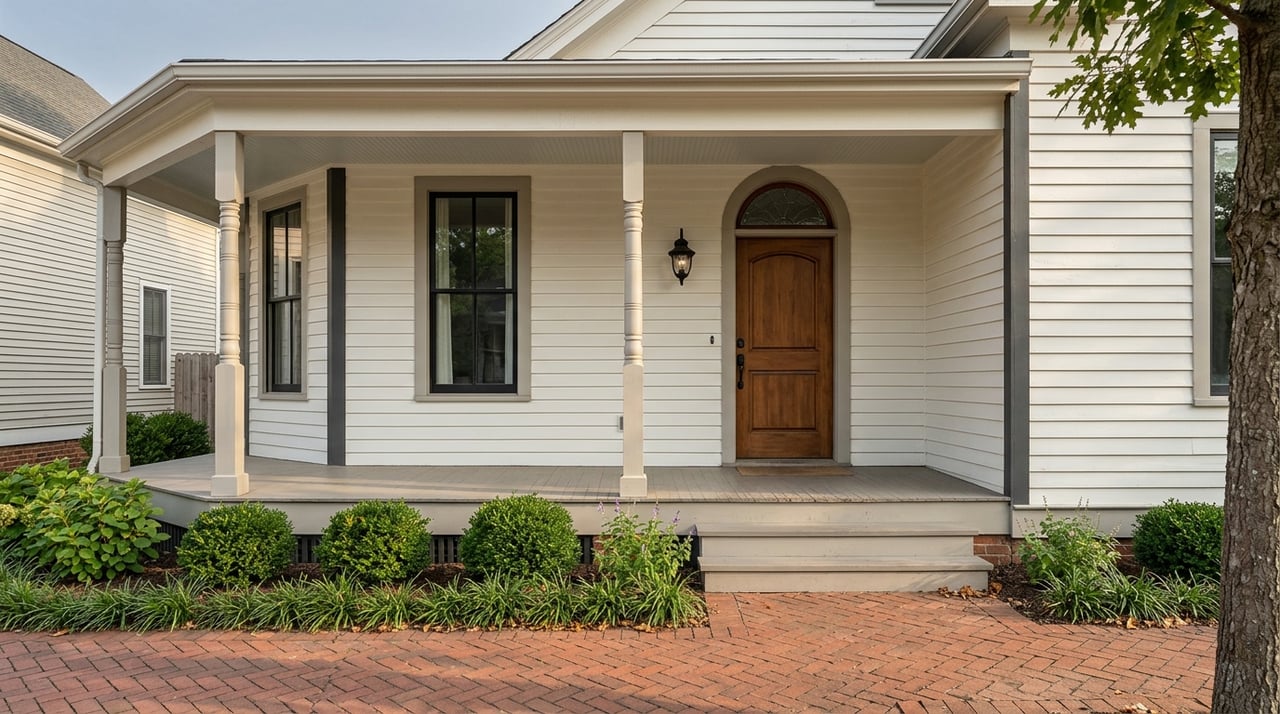
Downtown Plano offers a different atmosphere. The area is known for brick streets, antique shops, boutiques, arts venues, and restored historic homes. The city also officially recognizes Downtown and Haggard Park as locally designated historic districts.
If you like a place with more character and a smaller-scale feel, downtown may stand out. It provides a walkable counterpoint to the polished newer districts in west Plano. That can appeal to buyers and renters who want a setting that feels a little more rooted in local history.
Willow Bend and citywide retail
The Shops at Willow Bend adds another major retail option, with a mix of luxury-to-mainstream stores, dining, and more than 150 shops. Along with the city’s other retail centers, it gives residents several go-to spots for shopping and errands.
Still, much of Plano remains car-oriented. Walkability is strongest in district cores like Legacy West, Shops at Legacy, and downtown Plano. Outside those areas, daily life usually involves driving between neighborhoods, shopping, work, and recreation.
Parks and trails are a major perk
For many households, one of the best parts of living in Plano is how easy it is to build outdoor time into your week. The city maintains a large network of neighborhood parks, nature preserves, trails, dog parks, and sports fields. That kind of park access can make a real difference in how a city feels once the move is over and normal life begins.
Oak Point Park & Nature Preserve is the city’s largest park at 800 acres. Windhaven Meadows Park adds another 123 acres of passive park space with walking trails, ponds, and natural open areas. If being near green space matters to you, Plano gives you more than just a few scattered pocket parks.
The trail system also stands out. City trail information highlights Legacy Trail, Chisholm Trail, Cottonwood Creek Greenbelt, Preston Ridge Trail, Bluebonnet Trail, Santa Fe Trail, and Shady Brook Trail. Plano also notes that on-street bike routes and multi-use trails can help connect trips to work, transit, errands, or recreation, so these routes are part of daily mobility, not just weekend exercise.
Recreation is built into the city
Plano supports an active routine beyond its park system. The city lists Carpenter Park, Liberty, Oak Point, Tom Muehlenbeck, and Sam Johnson recreation centers, along with the Plano Aquatic Center and Jack Carter Pool. Programs include adult sports, youth sports, swim teams, camps, and recurring special events.
That matters if you want a city where recreation is easy to plug into rather than something you have to search for. Whether you are looking for fitness options, organized activities, or practical ways to stay busy close to home, Plano has a strong public recreation footprint. It helps explain why many people see Plano as a city that supports day-to-day routines well.
Commuting from Plano is practical
If your work or lifestyle takes you across the Metroplex, Plano offers a strong transportation position. Major road access includes the Dallas North Tollway, US 75, Preston Road, SH 121, President George Bush Turnpike, and I-635. That road network helps explain why Plano works for people whose jobs and appointments are spread across different parts of DFW.
Airport access is another plus. Visit Plano notes quick access to both DFW International Airport and Dallas Love Field. For relocating professionals, frequent travelers, and households with family in other states, that convenience can be a real quality-of-life factor.
Transit has also become more useful. DART’s Silver Line opened on October 25, 2025 and connects Plano to DFW International Airport, with stations at Shiloh Road and 12th Street. DART says 12th Street Station also connects to Silver Line service, existing Red and Orange Line service, and GoLink, which broadens options for riders heading into Dallas or toward the airport corridor.
The average commute is fairly manageable by regional standards. Census data lists Plano’s mean travel time to work at 25.6 minutes. Of course, your own drive will depend heavily on where you live, where you work, and how often you need to cross the Metroplex.
Major employers support the market
Plano is more than a residential base. It has a significant employment presence that helps draw relocating professionals and supports local housing demand. Visit Plano identifies headquarters for Toyota Motor North America, Frito-Lay, Pizza Hut, J.C. Penney, and NTT Data North America, with additional office presence in major mixed-use districts.
That employer base is part of what gives Plano its stable, established feel. Many residents are not just choosing Plano for schools, parks, or homes alone. They are also choosing it because the city combines residential neighborhoods with meaningful job access and business activity.
Climate and day-to-day comfort
Plano has the hot-summer, mild-winter pattern many people expect from North Texas. Visit Plano reports an average year-round temperature of 66°F, with January averaging 44°F and July averaging 86°F. If you are moving from a colder region, winters may feel relatively easy. If you are moving from a milder climate, summer heat is something to plan for.
That weather pattern shapes how residents use the city. Parks, trails, and outdoor districts are big lifestyle perks, but summer routines often work best with early starts, shaded spaces, and indoor options mixed in. The good news is that Plano offers both outdoor access and strong indoor recreation and shopping districts.
What buyers should verify before choosing a home
If you are seriously considering Plano, there are a few practical details worth checking early. One of the biggest is school assignment by exact address. Plano ISD says it serves about 100 square miles in southwest Collin County, including 66 square miles in the City of Plano and parts of several nearby cities, so city limits and school attendance boundaries do not line up perfectly.
That means two homes with the same Plano mailing identity may not have the same attendance pattern. If schools are part of your decision, verify boundaries directly by address before you make assumptions. This is especially important if you are relocating from out of state or buying on a fast timeline.
It also helps to think carefully about how you want to live. If you want walkability, target homes near the city’s mixed-use districts. If you want a more traditional residential rhythm with nearby parks and neighborhood streets, broader suburban sections of Plano may be a better fit.
Is Plano a good fit for you?
Plano tends to work well for people who want choices. You can find established neighborhoods, mixed-use districts, major employers, trail access, recreation centers, and practical regional connectivity in one city. That combination is a big reason Plano continues to attract buyers, renters, and relocating households across DFW.
It may be especially appealing if you want suburban structure without giving up access to dining, shopping, and job centers. And if you are moving from outside the area, Plano offers a familiar landing point because it feels organized, established, and connected. The key is narrowing in on which part of Plano best matches your pace, budget, and daily routine.
If you are planning a move to Plano or comparing it with other DFW suburbs, having local guidance can make the decision process much clearer. Quentin Lewis Crayton helps buyers, sellers, renters, and relocating households navigate the DFW market with clear communication, steady support, and a service-first approach.
FAQs
What is everyday life like in Plano, Texas?
- Everyday life in Plano usually feels suburban, organized, and convenient, with a mix of residential neighborhoods, major shopping and dining districts, parks, trails, and practical commuter access across DFW.
Is Plano, Texas more suburban or urban?
- Plano is both. Much of the city is traditional suburban development, but areas like Legacy West, The Shops at Legacy, and downtown Plano offer denser mixed-use environments with more walkability.
What types of homes can you find in Plano, Texas?
- Plano includes both single-family and multi-family housing, with a mix of older homes, updated properties, and housing in newer mixed-use areas.
Is Plano, Texas good for commuting?
- Plano offers strong highway access, rail connections through DART, Silver Line access to DFW International Airport, and a reported mean commute time of 25.6 minutes.
What outdoor amenities does Plano, Texas offer?
- Plano has an extensive park and trail system, including Oak Point Park & Nature Preserve, Windhaven Meadows Park, and trails such as Legacy Trail, Chisholm Trail, and Preston Ridge Trail.
What should homebuyers verify before buying in Plano, Texas?
- Homebuyers should verify school assignment by exact address because Plano ISD boundaries extend beyond Plano city limits and do not perfectly match city boundaries.